

Get Best Rates on Personal Loans for Credit Score Under 600 Now
Last updated: 2026-10-16
Navigating your finances when your FICO score slips under the 600 mark can feel like wandering through a dense, blinding mist. Most conventional banking institutions typically bolt their doors against you. This leaves anyone hunting for immediate liquidity desperately searching for a lifeline.
Life has a way of throwing curveballs when you least expect them. An abrupt mechanical failure in your vehicle, a surprising hospital invoice, or a sudden period of unemployment can trigger a financial storm. It is an incredibly high-pressure situation for anyone to endure.
In these tight spots, the standard financing packages from giants like Wells Fargo or Chase often seem like a distant dream. Their algorithmic decision-makers are designed to chase elite credit ratings and long-term histories. They often fail to see the human being behind the data point.
Selecting the ideal provider involves a much deeper dive than merely scanning interest percentages. You need to balance the velocity of funding, total amounts, and how a company values your recent paychecks over historical slip-ups. For example, a firm might ignore a past bankruptcy if your current job provides steady, provable wages.
Our current list identifies the most practical pathways for individuals attempting to mend their financial standing. We have scrutinized various companies to determine who actually steps up during a crisis. These are the leading options for 2026.
- FastLendGo
- Avant
- Prosper
- Max Cash
- Upgrade
- LendingPoint
Evaluating Lenders for Credit Scores Under 600
When searching for lenders in this bracket, the primary focus shifts toward accessibility for those with less-than-perfect credit histories. We analyzed the speed at which funds arrive and the minimum amounts available for borrowing. For many, the clock is the biggest enemy during a financial crisis. If a utility company threatens to cut off your power, waiting a week or more for a bank’s decision is simply not an option.
You generally want a company that utilizes rapid, digital-first underwriting to get you answers fast. During our research, we looked closely at the specific niches these providers fill. Some businesses are built for small, urgent cash injections, whereas others are geared toward larger projects like debt consolidation. Knowing if a company values a high salary or just a consistent work history can change your entire strategy.
Consider how different requirements can impact your chances of success. One lender might demand that you earn at least $2,500 every month to qualify. On the other hand, another provider might be perfectly happy with any steady income, provided you can prove it through bank statements instead of traditional paychecks. This small detail is a lifeline when you are racing against a looming deadline.
| Company | Borrowing Limits | Credit Standards | Speed of Funds |
|---|---|---|---|
| FastLendGo | $500 – $5,000+ | Fair/Bad Credit | Quick Access |
| Avant | Check website | Near 580 | Check website |
| Prosper | $2,000 – $50,000 | Check website | Check website |
| Max Cash | $250 – $10,000+ | Bad Credit | Within Minutes |
| Upgrade | Up to $50,000 | Check website | Check website |
| LendingPoint | $1,000 – $36,500 | Check website | Check website |
1. FastLendGo
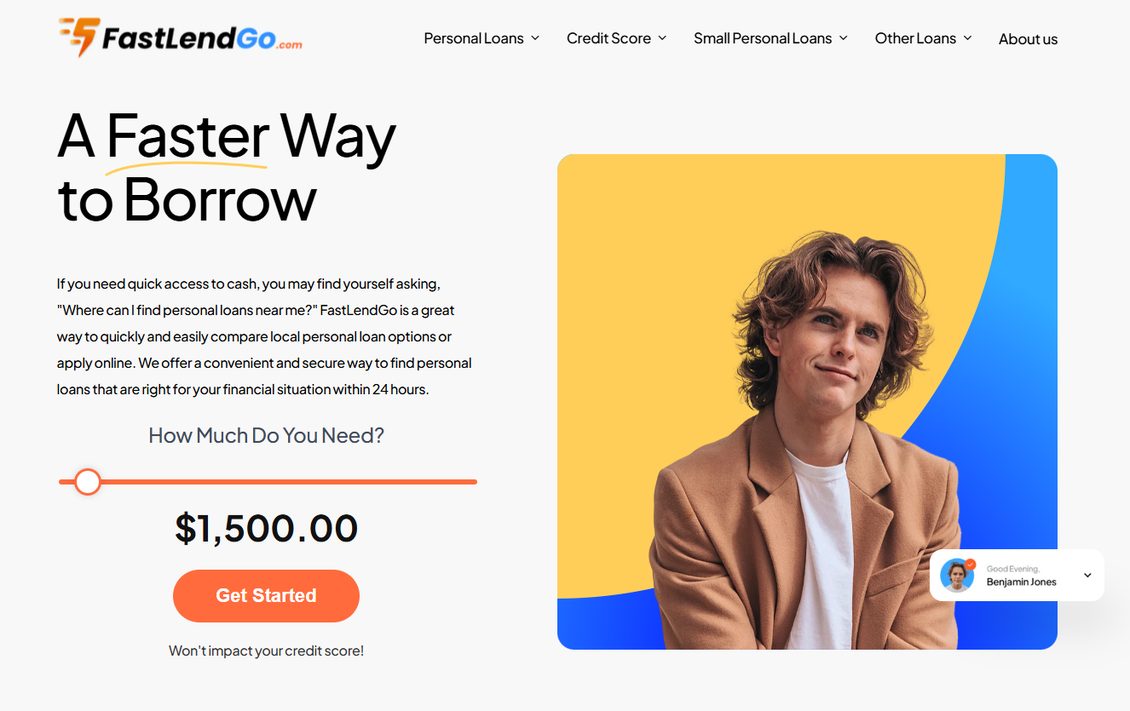
FastLendGo acts as a versatile safety net for people navigating life’s sudden financial potholes. Their offerings span from modest $500 loans to larger amounts exceeding $5,000. This variety is a total lifesaver if you are stuck with an unexpected dental bill or a sudden car repair. Their process is built for speed, focusing on why you need the money rather than digging through years of credit data. (fastlendgo.com)
This is a great landing spot for those with fair or bad credit who feel ignored by the big banks. They even branch out into specific areas like roof financing or motorcycle loans. If you are tired of scrolling through endless search results, this platform helps streamline the hunt. They often provide specialized products, such as using your property as collateral, which standard lenders usually won’t even consider.
Pros:
- A diverse range of uses, from car fixes to emergencies.
- Small-scale borrowing starts at just $500.
- Tailored specifically for those with poor or fair credit.
Cons:
- Detailed information on specific interest rates is hard to find.
2. Avant
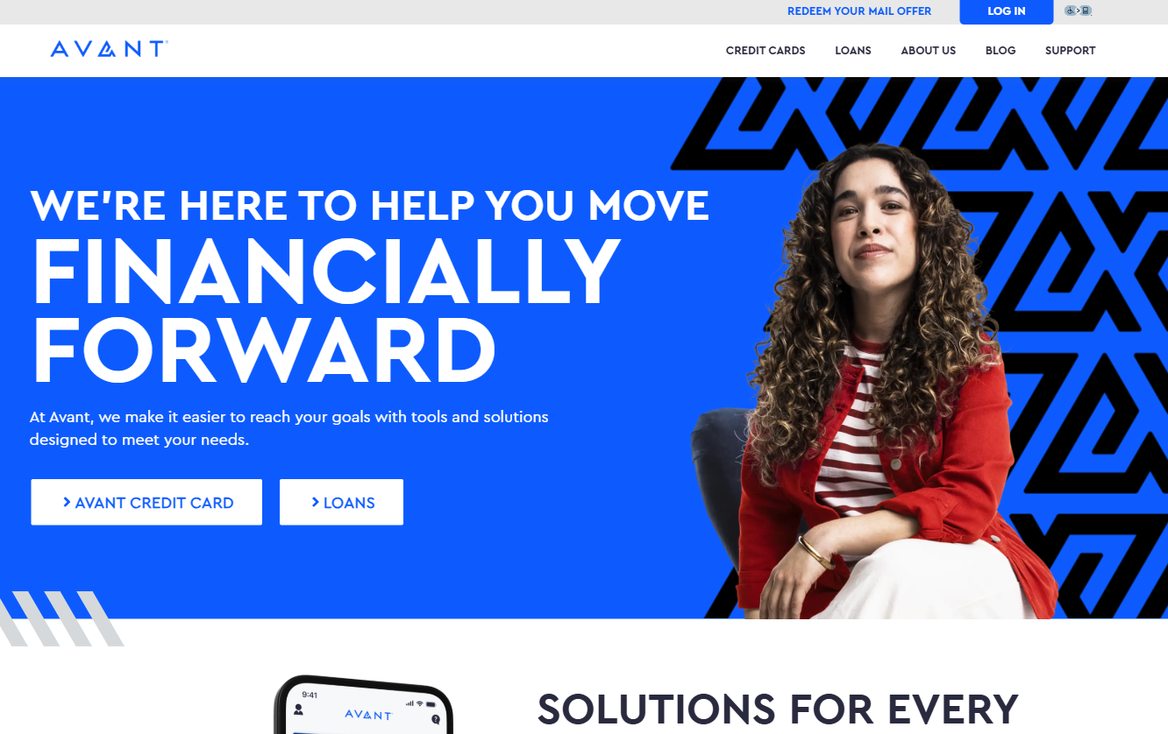
Avant approaches lending with a goal of helping people move past financial setbacks. They offer a mix of personal loans and credit cards intended for managing debt or handling surprises. Their digital system is designed to make things easy, allowing you to handle all the paperwork from your phone without ever stepping into a branch.
If your score is hovering near 580, this could be a meaningful option. Rather than being a slave to a single number, they look at the bigger picture. Their installment loans are designed to fit into your existing monthly budget. They aim to see the “whole person,” which means they might weigh your current income against your debt more heavily than a single mistake from years ago.
Pros:
- Provides both credit cards and loan options.
- Excellent for consolidating debt or home projects.
- Very intuitive digital tools for managing money.
Cons:
- Applicants with extremely low scores may still face denials.
3. Prosper
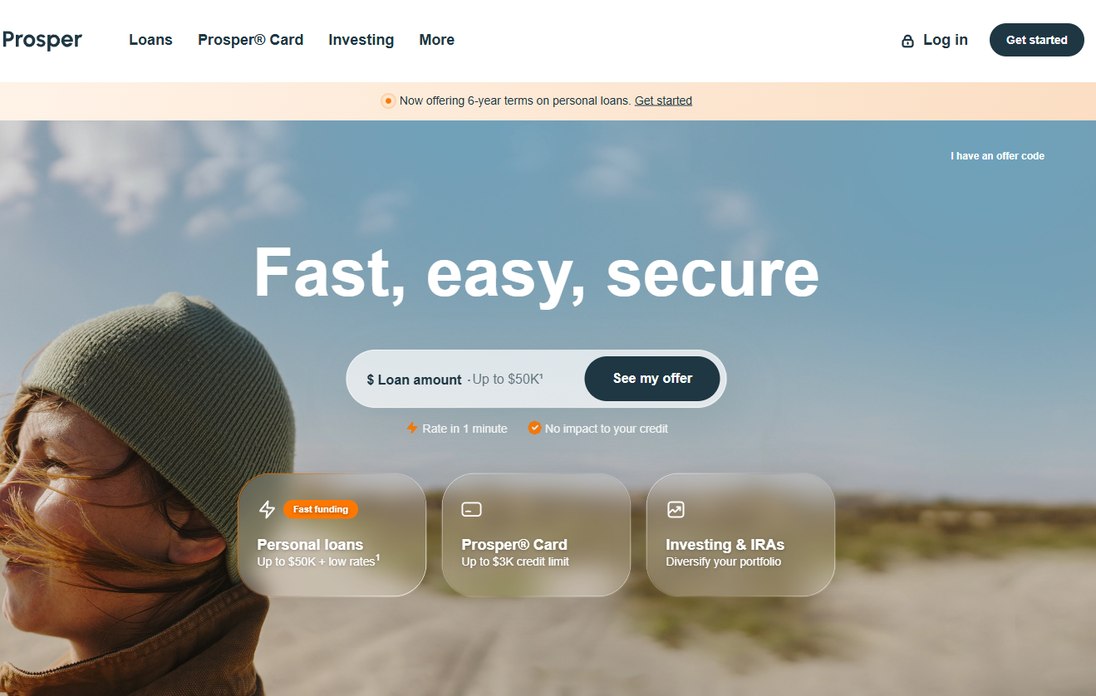
Prosper is a major player in the peer-to-peer (P2P) market, offering a unique twist on traditional borrowing. You aren’t actually borrowing from a bank here; you are connecting with individuals looking to earn interest on their savings. This can lead to more flexibility for people with non-traditional financial backgrounds, as individual investors are often willing to accept higher risks for better returns.
The loan amounts available are substantial, ranging from $2,000 to as high as $50,000. This makes them a powerhouse for massive life events, such as weddings or major debt restructuring. Because the capital comes from various private investors, the approval process can feel a bit different than a bank. Their reputation remains strong due to high user ratings and a transparent marketplace model.
Pros:
- Massive borrowing capacity of up to $50,000.
- A peer-to-peer structure that offers diverse opportunities.
- High user satisfaction according to third-party reviews.
Cons:
- The P2P nature means approval times can vary.
4. Max Cash
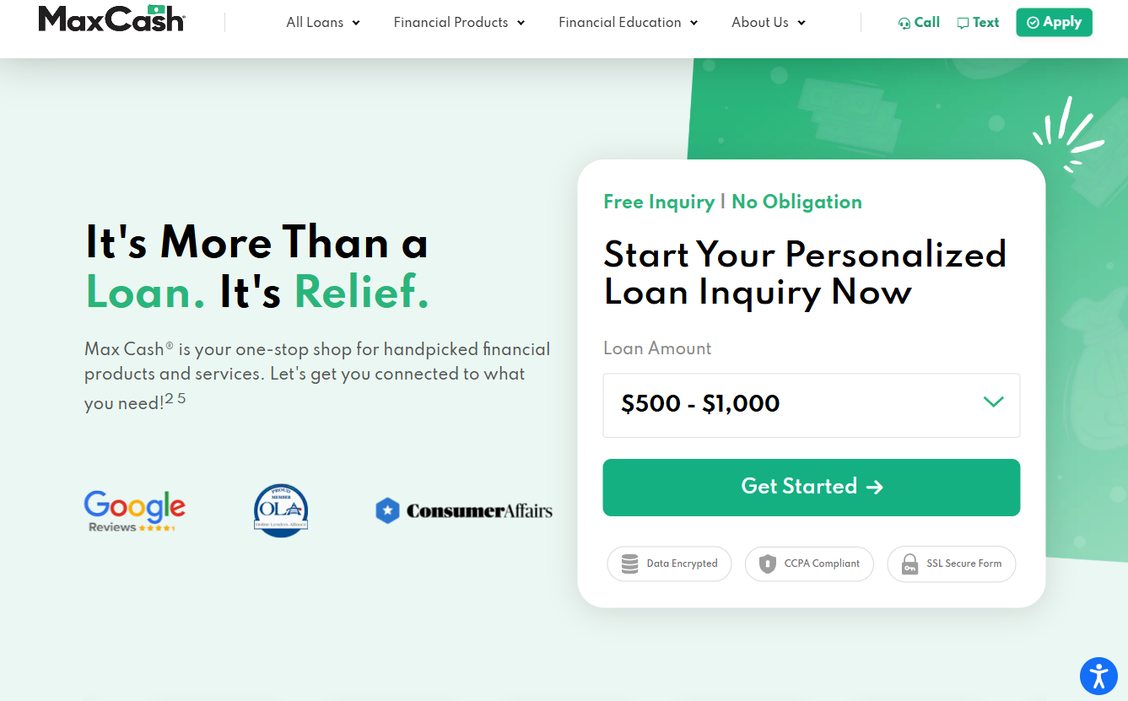
When you are staring down a ticking clock and an unpaid bill, Max Cash is ready to step up. They focus heavily on speed, providing title loans and installment loans in mere minutes. This is perfect for those true emergencies, like a sudden transmission failure that threatens your ability to get to your job or an urgent medical deposit.
Their loan amounts are segmented very finely, starting as low as $250. This is ideal for those who want to avoid over-borrowing. If you only need $300 for a quick bill, you shouldn’t have to take on $5,000 in debt. Max Cash offers precision borrowing, acting as a relief valve for people who need immediate liquidity without the mountain of paperwork found at big banks.
Pros:
- Lightning-fast processing for urgent situations.
- Very accessible entry point with $250 loans.
- Offers varied products, including title loans.
Cons:
- Rapid, small-dollar loans often come with very high interest.
5. Upgrade
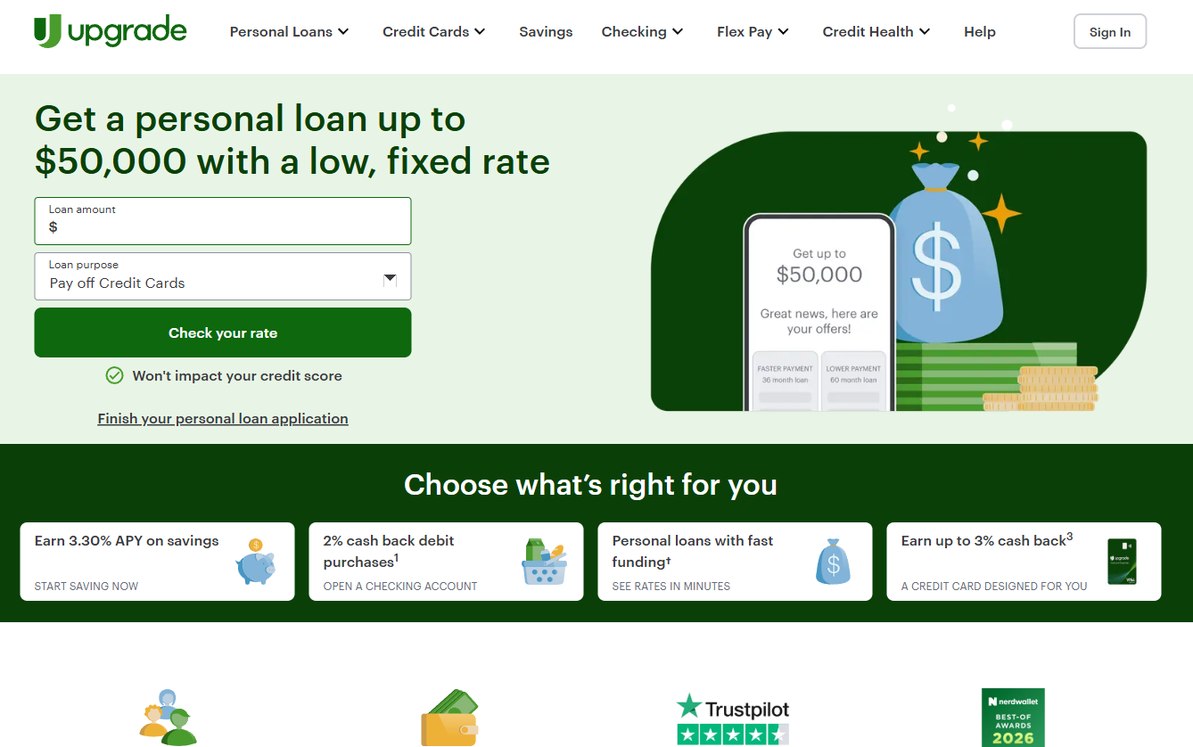
Upgrade functions as much more than a simple lender; they are an expansive financial services hub. Their catalog includes personal loans, credit cards, and even checking accounts. This makes them a convenient “all-in-one” destination for anyone wanting to consolidate their various financial life into one easy-to-manage ecosystem.
With limits reaching up to $50,000, they are well-suited for significant milestones like starting a business. Their business model focuses on helping users earn rewards and manage cash flow more effectively. They typically use a mix of income verification and credit scores to decide eligibility, which can be a massive win for high earners with lower credit scores.
Pros:
- A full suite of tools, including checking accounts.
- High borrowing ceilings up to $50,000.
- Potential for cash back through specific products.
Cons:
- May require a more stable income than specialized lenders.
6. LendingPoint

LendingPoint aims to help users open new doors through customized personal loans. Their amounts, from $1,000 to $36,500, place them right in that sweet spot between tiny cash advances and massive bank loans. They are looking for people who are trying to bridge the gap between being considered “unbankable” and reaching prime credit status.
The application is built for efficiency, allowing you to check your rates without hurting your credit score. For someone with a score under 600, every single point matters. This “soft pull” feature is a game-changer, letting you shop for the best terms with zero risk of a hard inquiry damaging your score further.
Pros:
- Check your rates without any credit score impact.
- Substantial loan limits up to $36,500.
- Clear options for travel or medical expenses.
Cons:
- They do not explicitly market themselves as “low credit” friendly.
The Real Price of Loans for Lower Credit Scores
Stepping into the world of lending with a score under 600 feels a bit like sailing into a storm without a compass. You aren’t merely paying back the principal sum you requested; you are essentially paying a premium for the gamble the bank is taking on your reliability. It’s vital to grasp what the Annual Percentage Rate (APR) actually signifies in your daily life.
Think of it this way. A traditional bank might hand you a loan with an APR between 8% and 12% without breaking a sweat. However, for those with sub-600 ratings, interest rates often skyrocket, frequently landing between 25% and 36%, or even higher for quick, short-term financing options. These steep jumps are the difference between a light, manageable monthly bill and a suffocating cycle of debt that feels impossible to outrun.
Let’s crunch some numbers to see how this plays out in the real world. Imagine you borrow $5,000 at a 10% interest rate over a 3-year term. Now, compare that to a $5,000 loan with a 30% interest rate over that same 3-year period. In that second, much more expensive scenario, you might find yourself shelling out nearly $8,000 just to satisfy the original $5,000 debt.
Before you ink your signature on any contract, demand a “Truth in Lending” disclosure. This isn’t just paperwork; it’s a legal requirement that forces lenders to reveal the total dollar amount of interest you will accumulate throughout the entire lifespan of the loan. If that final number makes your heart sink, it is much wiser to request a smaller loan amount or simply walk away and search for another lender.
How to Boost Your Likelihood of Getting Granted
Think of your credit score as your financial reputation, which doesn’t shift overnight. However, you can certainly polish how you appear to the banks. When your score sits around 550, banks aren’t just looking at that number; they are hunting for signs of a steady lifestyle.
If you can hand over pay stubs proving you’ve held the same job for half a year, you’re in a much better light. This evidence of steady work acts as a shield against the perception of risk. To a lender, a reliable income often outweighs a mediocre score.
They want to know you won’t vanish when the bill comes due. Demonstrating consistent earnings provides the reassurance they crave. It is the secret sauce to turning a “maybe” into a “yes” when your numbers aren’t perfect.
Treat your search like a reconnaissance mission by utilizing pre-qualification tools. I have seen people make the massive mistake of jumping straight into a formal application without testing the waters first. That’s a recipe for a bruised score.
Once you officially hit “submit” on a real application, a hard inquiry hits your report. This can shave points off your score instantly. Instead, you want to hunt for “soft inquiries.” These are the low-stakes checks that let you shop around without any penalty.
Use these soft checks to compare different options and rates. It’s like window shopping for the best deals. Only commit to a formal request once you have found a lender that truly fits your specific budget and financial goals.
Don’t get blinded by shiny advertisements for tiny monthly payments. Always dig into the fine print before signing anything. A low monthly bill often hides a trap: a massive term that stretches the debt for years.
If the repayment period is too long, you might end up paying back twice or even triple your original loan amount. It is a heavy price for a small monthly comfort. Always aim for the quickest timeline your budget allows to keep interest costs low.
If you have a little extra cash, throw an extra $50 toward your principal every month. It might seem like a drop in the bucket, but it works like magic. This simple habit slashes your total interest and helps you escape the debt cycle much faster.